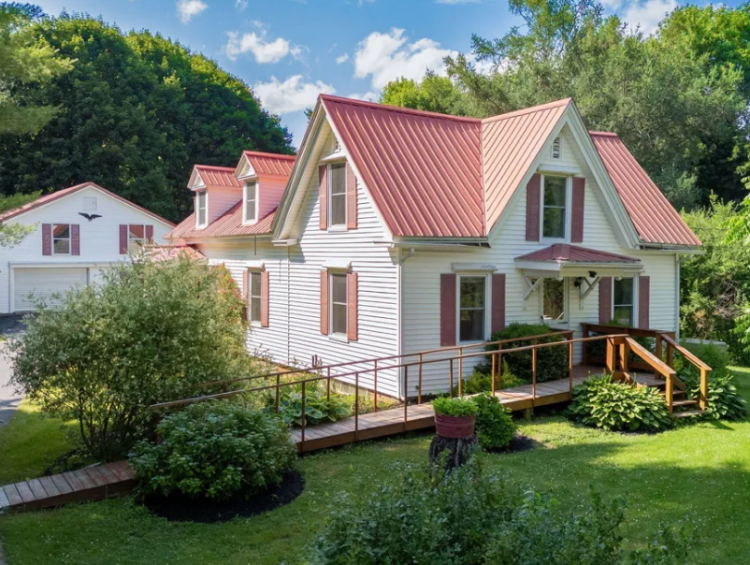
$274,900
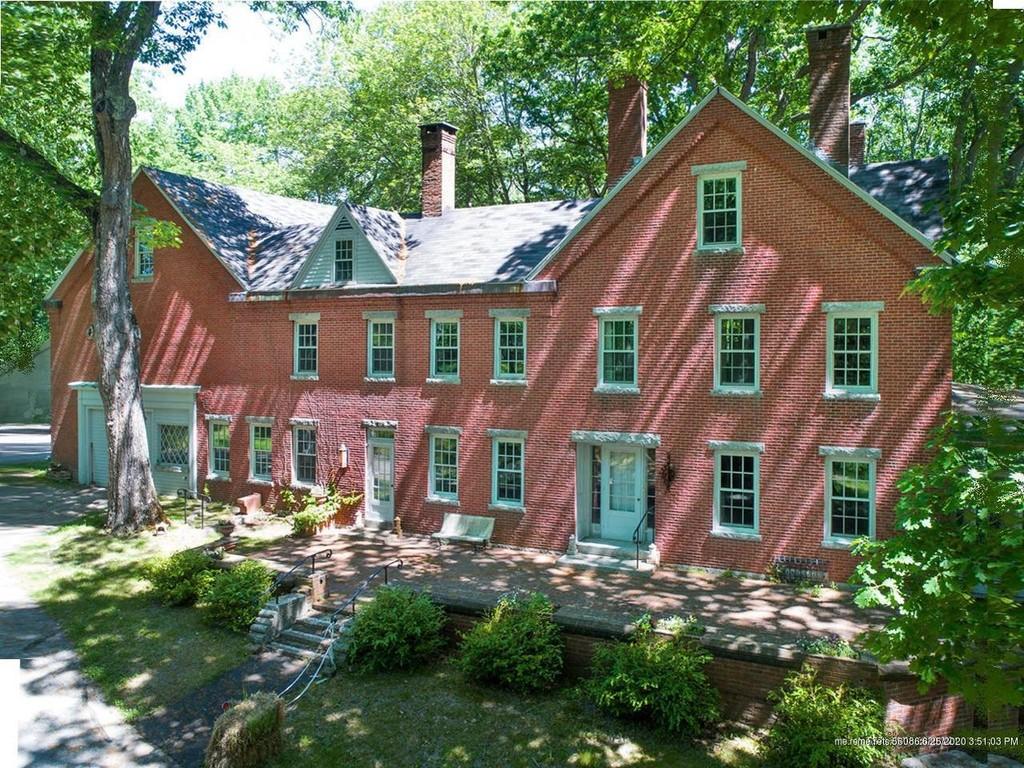
A masterclass in utility and open space! This exceptional Maine home features a classic barn and a spacious two-car garage, offering a dream setup for high-capacity storage, creative hobbies, or a dedicated trade workshop. Set back on an expansive, paved driveway that comfortably parks five to ten vehicles, the entire homestead stretches across a beautifully balanced, level lot that gives way to open lawns and a gently rolling, wooded perimeter.

Realtor Comments

- 3bd
- 2ba
- 1,504sqft
- 1.15 acres
- Circa 1850

- Contact Realtor: Tiana Lacombe
Brokered by Hearth & Key Realty
- Google Maps
- Niche

The Pros
-
The Perfect Rural-Convenient Balance: Pittston feels incredibly peaceful, private, and preserved in time, yet it completely avoids the severe geographic isolation of northern or coastal Maine. The city of Gardiner is right across the bridge, and the state capital of Augusta is less than 15 minutes away, putting major hospitals, shopping, and state government employment within an easy daily commute.
-
Generous Acreage & Historic Housing Stock: If you want elbow room, this is the place to look. Properties in Pittston typically come with expansive lots—frequently multiple acres—giving homeowners space for heavy gardening, small-scale farming, or outbuildings. The landscape is dotted with beautifully spaced historic farmhouses, classic Capes, and expansive colonial properties.
-
Active Year-Round Outdoor Lifestyle: The town is an absolute playground for outdoor enthusiasts. It features excellent water access for kayaking and canoeing on the Kennebec and Eastern Rivers. In the winter, the community comes alive with ice fishing (including the famous local smelt camps) and a highly dedicated snowmobile club that maintains over 35 miles of pristine local trails.
-
“Maine’s Friendliest” Summer Tradition: The community rallies every June around the historic Pittston Fair.Operating since 1952, it is known throughout the region as “Maine’s Friendliest Fair” and kicks off the summer season with carnival rides, local agricultural exhibits, and a famous strawberry festival celebrating the local harvest.
-
Lower Initial Housing Costs: Compared to the skyrocketing real estate markets in southern Maine coastal towns like Portland or Brunswick, inland Kennebec County offers a much more accessible entry point for homeownership, making a multi-acre homestead highly achievable.
The Cons
-
High Property Tax Burden: While initial home purchase prices are lower than down-east or coastal areas, Maine has some of the highest property tax rates in the nation. Because Pittston is a heavily residential and agricultural town with very little commercial or industrial tax base, funding for local services and schools falls squarely on property owners, leading to a notable annual tax bill.
-
Virtually No In-Town Commerce: Pittston is strictly country roads, residential houses, and farm fields. There is no traditional “downtown” strip, major grocery store, or concentrated retail within town limits. For everything from a jug of milk or a pharmacy trip to a sit-down dinner, you will have to drive across the river into Gardiner or up to Augusta.
-
Rigid Car Dependency and Dirt Roads: Public transportation does not exist here. To live comfortably, you must have a reliable, high-clearance vehicle. Many of the connecting rural avenues are narrow country or unpaved dirt roads that become incredibly muddy and rutted during the spring thaw (fondly known in Maine as “Mud Season”) and icy in the winter.
-
Spring Flooding Risks: Being situated directly on the Kennebec River comes with occasional geographical risks. During the late winter and early spring, severe ice jams on the river can cause sudden and aggressive localized flooding along the low-lying waterfront banks, which can impact regional traffic, property access, and local basements.
-
Stiff Winter Maintenance & Heating Costs: Winters in central Maine are long, gray, and bitterly cold. Because homes here are often larger, older, and set far back on long, private driveways, residents face hefty annual expenses for snow plowing, heavy roof shoveling, and the high cost of heating fuel (oil or propane) to keep historic structures insulated.

13 Smithtown Rd, Pittston, ME 04345