$224,900

Realtor Comments
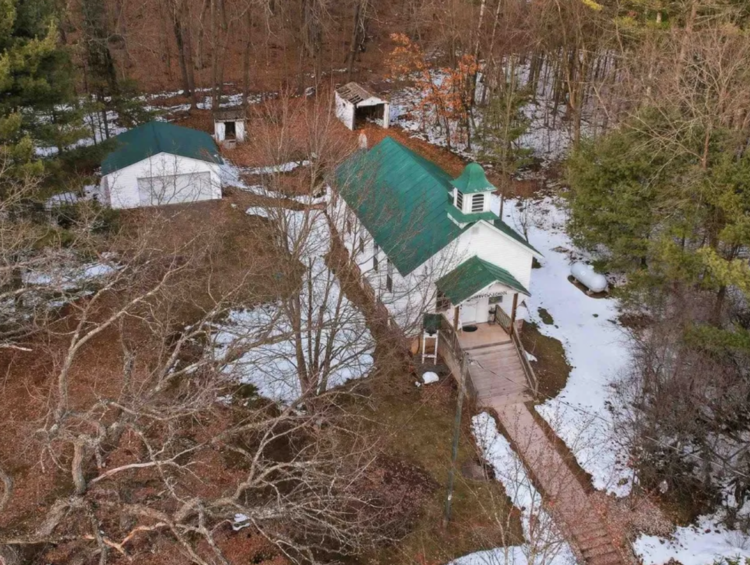
Whether youre looking for a peaceful retreat, a unique primary residence, or an investment opportunity, this property delivers. Previously operated as a successful short-term rental for many years, it offers incredible income potential and versatility. The home has been thoughtfully renovated while preserving its original character, featuring updates that include being taken down to the studs, new wainscoting, updated electrical and plumbing, added insulation, updated bathroom, newer well pump and casing, septic riser and lid, water heater, and exterior windows. Recent improvements by the current seller include new basement & bedroom windows, a new furnace and central air system installed in 2023, and a new metal roof on the garage. With a detached 2+ car garage, inviting front porch, and a serene setting, this property is full of opportunity and ready for its next chapter. This home is occupied. Must have a confirmed appointment to be on the property.

- bed
- bath
- Circa 1914

Brokered by Nexthome Priority Llc

Pros
- Four distinct seasons: Warm summers, colorful autumns, snowy winters, and fresh springs — good for outdoor variety and seasonal activities.
- Strong outdoor recreation: Lakes, rivers, forests, state parks, hunting, fishing, boating, skiing, snowmobiling, and excellent trail systems.
- Affordable housing (outside major metros): Lower home prices and property taxes in many areas compared with national coastal metros; good value for space.
- Close-knit communities: Small towns and suburbs often have strong civic life, volunteerism, school pride, and friendly neighbors.
- Good education options: Solid public school districts in many suburbs and towns; respected in-state universities (University of Wisconsin system) and community colleges.
- Reasonable cost of living: Everyday expenses (groceries, utilities, many services) are often lower than national urban averages.
- Strong food culture: Famous for cheese, dairy, supper clubs, fish fries, craft breweries, and regional specialties.
- Robust manufacturing and agriculture economies: Jobs in manufacturing, agriculture, healthcare, education, and growing tech/biotech hubs in places like Madison.
- Central location for travel in the Midwest: Relatively short drives to Minneapolis, Chicago, Milwaukee; accessible by regional airports.
- Community events and culture: Fairs, farmers’ markets, festivals (e.g., county fairs, summer festivals), strong local arts scenes in many towns.
Cons
- Harsh winters: Cold temperatures, heavy snow, ice, and short daylight in winter months — increased heating costs and travel disruptions; seasonal affective issues for some.
- Limited public transit outside cities: Milwaukee and Madison have some transit, but most places require a car; rural areas can be inconvenient without one.
- Economic swings in some regions: Rural areas dependent on agriculture or single employers can face economic stress or limited job diversity.
- Lower wages in some sectors: Average wages can be lower than national urban centers; some high-skill jobs may require relocation to Madison or Minneapolis/Chicago areas.
- Less cultural/amenity variety in small towns: Limited nightlife, specialized restaurants, or niche cultural venues outside larger cities.
- Aging infrastructure in rural areas: Roads, bridges, and broadband access can lag in less populated counties—broadband gaps exist despite improvements.
- Property tax concerns: While overall cost of living can be low, property taxes can be high in some areas depending on local budgets and school funding.
- Mosquitoes and ticks: Summer pests are common, and tick-borne diseases (Lyme disease) are a concern in some regions.
- Snow removal and winter maintenance: Time and money spent on snow shoveling, plowing, vehicle maintenance, and winter prep.
- Limited diversity in some communities: Many rural towns are less racially and culturally diverse, which can affect cultural exposure and services.
Regional notes
- Madison: Strong job market (education, tech, government), vibrant cultural scene, bike-friendly, higher cost of living than rural Wisconsin but still reasonable compared to big metros.
- Milwaukee: Largest city with diverse cultural offerings, waterfront redevelopment, some neighborhoods with higher crime rates — neighborhoods vary widely.
- Northern Wisconsin: Superb for nature and recreation, lower population density, colder winters, fewer year-round job options.
- Suburban areas: Offer good schools and community amenities but can involve commuting and less transit access.
Tips if you’re considering moving
- Visit in different seasons: Winter and summer experiences differ greatly—try both before deciding.
- Research local schools and taxes: Local property taxes and school district quality vary; check school report cards and municipal budgets.
- Check broadband and commute: If remote work matters, verify internet speeds; examine commute times if you’ll drive to work.
- Prepare for winter: Insulate, plan for snow removal, get winter tires, and factor heating costs into your budget.
- Explore job markets regionally: Madison and the Milwaukee metro have more diverse, higher-paying opportunities; smaller towns have niche economies.

E303 Nottleson Rd, Scandinavia, WI 54977

*

*

*

*

*

*

*

*

*

*

*

*

*

*

*

*

*

*

*

*

*

*

*

*

*

*

*

*

*

*

*

*

*

*

*

*

*

*

*

*

*

*

*

*